
Lost for Words

Lost for Words

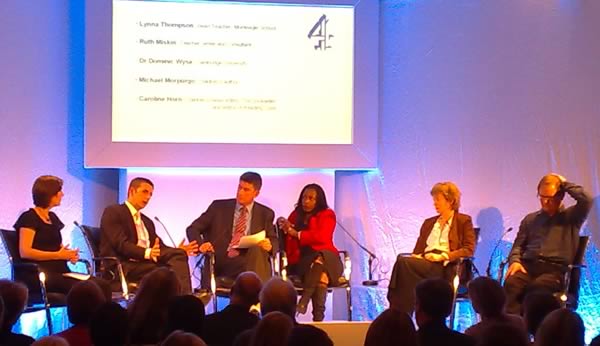
Not a complaint I suffer from, but the hot potato of synthetic phonics mashed well at Channel 4 by uncompromising feisty primary heads, publishers, educators, authors and reading experts alike.

It seemed to me there is not enough recognition of the power of a school staff team, working together and determined to eradicate poor reading skills, which almost certainly makes more difference than which variant of phonics you employ.

Be Very Afraid 4

Be Very Afraid

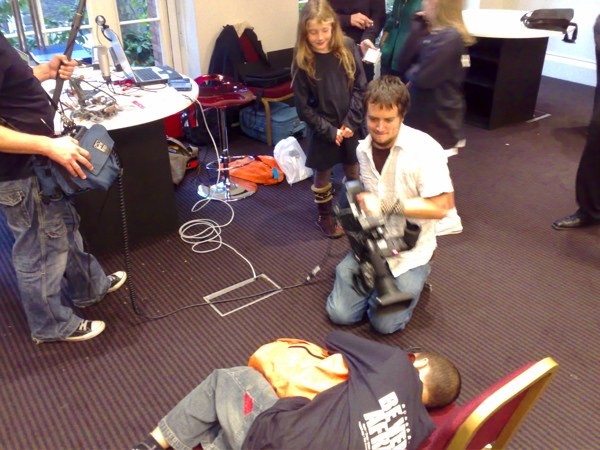
Another in the series of events promoted by my long-term friend, colleague and mentor Stephen Heppell, to showcase creative use of technology by young learners from all kinds of educational settings. The photo shows one youngster for whom the event was proving exhausting, but mostly the adults were knocked out by the interesting ideas on show. I was most excited by the use of the Nintendo DS for exercising number facts – an annoyingly useful knowledge which deserves entertaining and competitive challenges to make learning more delightful.

e-Learning Lisboa 2007

Lisbon street

My task at this conference was to talk about the delightful development of e-tutors and trainers. This gave me a chance to re-read John Heron’s ‘up-hierarchy’ (don’t ask*) which when interpreted in a learning context gives strong support for offering digital creativity, inquiry-based learning and opportunity to negotiate and choose the curriculum. Delight in learning is not just an entitlement for moral reasons, but effective when seen in this way.

By the way, got completely obsessed by the suspension bridge out of my Lisbon hotel window, which constantly found its way into every photo!

*Heron, J, Feeling and Personhood: Psychology in another key. London and Newbury Park, CA: Sage, 1992.